
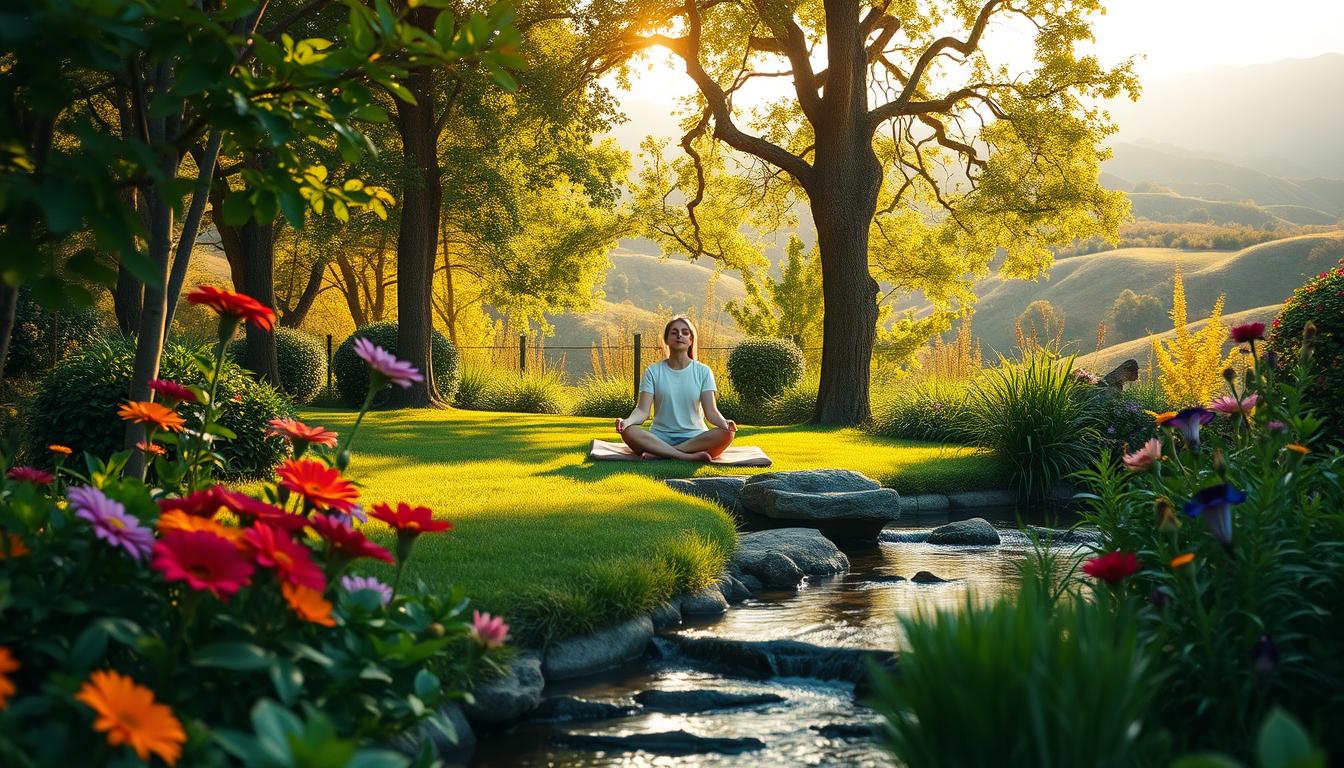
Are you constantly feeling overwhelmed and struggling to cope with the demands of modern life? You’re not alone. Stress has become an unwelcome companion for many, affecting not just mental well-being but also physical health.
In today’s fast-paced world, finding effective stress management techniques is crucial. Ayurvedic remedies offer a natural and holistic approach to managing stress, focusing on balancing the body, mind, and spirit. By incorporating these ancient practices into your daily routine, you can find a sense of calm and well-being.
Key Takeaways
- Discover how Ayurvedic practices can help reduce stress.
- Learn about natural stress relief methods.
- Explore effective stress management techniques.
- Understand the importance of balancing body, mind, and spirit.
- Find out how to incorporate Ayurvedic remedies into your daily life.
Understanding Stress Through the Ayurvedic Lens
In Ayurveda, stress is not just a mental state but a signal of imbalance in the body’s doshas, or fundamental energies. This ancient practice views stress as an opportunity to restore balance and promote well-being.
The Three Doshas and Their Relationship to Stress
The three doshas – Vata, Pitta, and Kapha – play a crucial role in understanding stress. An imbalance in any of these doshas can lead to stress. For instance:
- Vata imbalance can cause anxiety and fear.
- Pitta imbalance can lead to frustration and irritability.
- Kapha imbalance can result in lethargy and attachment.
Identifying Your Stress Type According to Ayurveda
To manage stress effectively, it’s essential to identify your ayurvedic stress type. This involves understanding your dominant dosha and the factors that contribute to its imbalance. By adopting stress reduction techniques tailored to your dosha, you can mitigate stress. Incorporating ayurvedic herbs for stress and adopting an ayurvedic lifestyle for stress relief can also be beneficial.
Ayurvedic Remedies for Stress Relief
The ancient practice of Ayurveda offers several remedies to help mitigate stress and its associated symptoms. By leveraging natural ingredients and practices, individuals can find effective relief from stress.
Adaptogenic Herbs: Ashwagandha, Holy Basil, and Brahmi
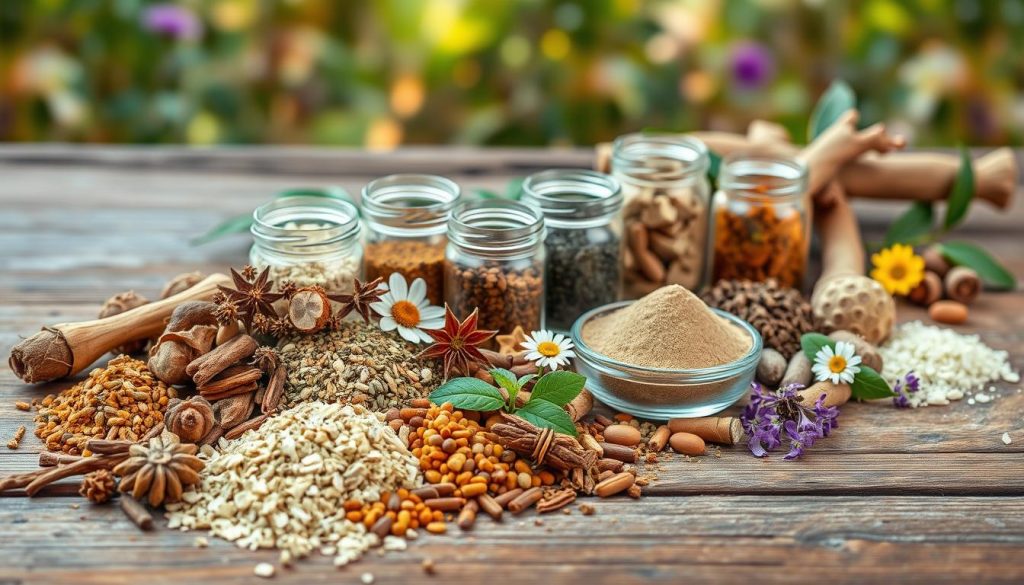
Ayurvedic treatments for anxiety often include adaptogenic herbs like Ashwagandha, Holy Basil, and Brahmi. These herbs are known for their ability to help the body adapt to stress and promote balance. Ashwagandha, for instance, is renowned for its stress-reducing properties, while Holy Basil is revered for its protective effects on the body against various stressors. Brahmi, on the other hand, is valued for its cognitive-enhancing properties and its ability to promote mental clarity.
Essential Oils and Aromatherapy Practices
Aromatherapy is another mindfulness technique for stress relief that is deeply rooted in Ayurvedic practices. Essential oils such as lavender, chamomile, and bergamot are commonly used to promote relaxation and reduce anxiety. These oils can be inhaled directly or used in massage oils and diffusers to create a calming atmosphere. Incorporating aromatherapy into daily routines can be a simple yet effective stress reduction technique.
Precautions When Using Ayurvedic Herbs and Remedies
While Ayurvedic herbs and remedies can be highly beneficial, it’s crucial to use them with caution. Consulting with a healthcare professional before starting any new regimen is advisable, especially for individuals with pre-existing health conditions or those taking medication. Ensuring the quality and authenticity of the herbs and essential oils is also important to avoid adverse reactions.
By understanding and applying these Ayurvedic remedies and practices, individuals can develop effective stress management strategies that promote overall well-being.
Daily Ayurvedic Practices to Reduce Stress
Embracing Ayurvedic daily practices can lead to a more balanced and stress-free life. By incorporating simple yet effective routines into your daily schedule, you can significantly reduce stress levels and improve overall well-being.
Morning Rituals for Grounding (Dinacharya)
Starting your day with a consistent morning routine, known as Dinacharya, sets a positive tone for the day. This practice includes waking up early, meditating, and engaging in gentle stretches. Drinking warm water with a squeeze of fresh ginger can also help stimulate digestion and boost energy levels.
- Wake up before sunrise
- Practice meditation or deep breathing exercises
- Engage in gentle yoga stretches
Self-Massage Techniques (Abhyanga)
Abhyanga, or self-massage, is a therapeutic practice that involves gently massaging warm oil onto the skin. This technique not only nourishes the skin but also calms the nervous system, reducing stress and promoting relaxation. Use a warm oil blend suitable for your dosha type and gently massage it into your skin before bathing.
Breathwork Practices (Pranayama) for Immediate Calm
Pranayama, or breathwork, is a powerful technique for managing stress and anxiety. Simple practices like Alternate Nostril Breathing and 4-7-8 Breathing can calm the mind and reduce stress instantly. Practice these techniques regularly to experience their full benefits.
- Alternate Nostril Breathing: Balances the nervous system
- 4-7-8 Breathing: Promotes relaxation and reduces anxiety
Ayurvedic Nutrition for Stress Management
By applying Ayurvedic principles to your diet, you can significantly reduce stress and improve overall well-being. Ayurvedic nutrition focuses on balancing the body’s doshas through dietary choices, which is crucial for managing stress.
Balancing Foods for Each Dosha Type
Understanding your dosha type is essential to making the right dietary choices. Here’s a breakdown of balancing foods for each dosha:
| Dosha Type | Balancing Foods | Avoid |
|---|---|---|
| Vata | Warm, nourishing foods like soups and stews | Cold, dry foods |
| Pitta | Cooling foods like cucumbers and sweet fruits | Spicy, sour foods |
| Kapha | Light, dry foods like vegetables and legumes | Heavy, oily foods |
Stress-Reducing Herbs and Spices for Your Kitchen
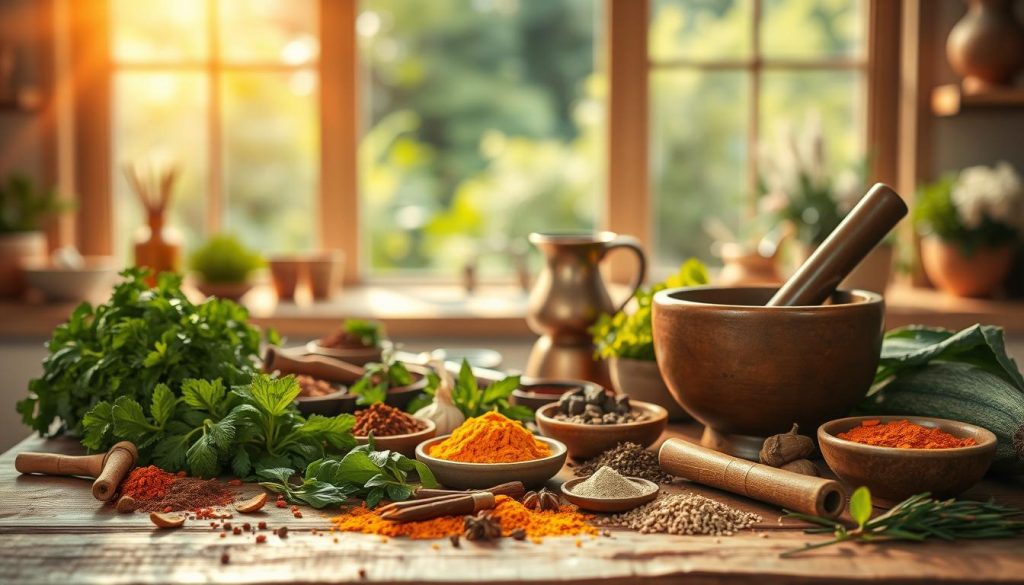
Certain herbs and spices are known for their stress-reducing properties. Ashwagandha is renowned for its adaptogenic qualities, helping the body adapt to stress. Turmeric contains curcumin, which has anti-inflammatory properties that can help reduce stress. Incorporating these into your daily meals can be simple and beneficial.
Simple Ayurvedic Recipes for Calming the Mind
Ayurvedic recipes often combine ingredients that promote relaxation and reduce stress. A simple recipe includes a warm milk drink with turmeric and ginger before bed, promoting a calming effect. Another recipe is a vegetable stew with adaptogenic herbs like ashwagandha, which can be very grounding.
Mind-Body Techniques from Ayurvedic Tradition
To combat stress and anxiety, Ayurveda recommends several mind-body practices tailored to individual constitutions. These techniques not only help in managing stress but also promote overall well-being.
Meditation Practices for Different Dosha Types
Meditation is a powerful tool in Ayurveda for reducing stress. Different dosha types benefit from different meditation techniques:
- Vata: Guided meditation or mindfulness practices that focus on grounding and calming the mind.
- Pitta: Competitive or challenging meditations that involve visualization or setting personal challenges.
- Kapha: Dynamic or movement meditations, such as walking meditation, to counteract lethargy.
By tailoring meditation practices to your dosha, you can more effectively manage stress and anxiety.
Yoga Postures for Releasing Tension and Anxiety
Yoga postures, or asanas, are another crucial aspect of Ayurvedic stress management. Certain postures are particularly effective for releasing tension and anxiety:
- Child’s Pose (Balasana): Excellent for calming the mind and relieving stress.
- Cat-Cow Pose (Marjaryasana-Bitilasana): Helps in releasing tension in the spine and improving flexibility.
- Legs Up The Wall Pose (Viparita Karani): Relaxes the nervous system and reduces anxiety.
These yoga postures, when practiced regularly, can significantly reduce stress and promote relaxation.
Creating an Ayurvedic Lifestyle for Long-term Stress Management
An Ayurvedic lifestyle offers a holistic approach to reducing stress and enhancing overall well-being. By incorporating certain practices and routines, individuals can better manage stress and improve their quality of life.
Establishing Healthy Sleep Routines (Nidra)
Healthy sleep routines are foundational to stress management. Ayurveda recommends establishing a consistent sleep schedule, avoiding stimulating activities before bedtime, and creating a relaxing bedtime routine. This can include practices like reading, meditation, or a warm bath to signal the body that it’s time to sleep.
| Sleep Routine | Benefits |
|---|---|
| Consistent Sleep Schedule | Regulates Body Clock |
| Avoiding Stimulants Before Bed | Promotes Relaxation |
| Relaxing Bedtime Routine | Improves Sleep Quality |
Seasonal Adjustments to Your Routine (Ritucharya)
Adjusting your routine according to the seasons is a key aspect of Ayurvedic living. This includes modifying your diet, exercise, and other daily practices to align with the changing seasons. For example, during the summer, it’s recommended to stay cool and hydrated, while in the winter, focusing on warming and nourishing practices is beneficial.
“The mind is everything; what you think, you become.” – Buddha
Creating a Stress-Resistant Home Environment
Creating a stress-resistant home environment involves decluttering your space, incorporating calming elements like plants or aromatherapy, and ensuring that your living space is organized and peaceful. This can significantly impact your stress levels and overall well-being.

By implementing these Ayurvedic practices, individuals can create a lifestyle that supports long-term stress management and enhances their overall quality of life.
Conclusion: Integrating Ayurvedic Wisdom into Modern Life
Ayurvedic remedies for stress relief offer a holistic approach to managing stress, focusing on natural stress relief methods that promote overall well-being. By incorporating mindfulness for stress relief practices, such as meditation and yoga, individuals can cultivate a deeper sense of calm and resilience.
As discussed, adopting Ayurvedic daily practices, nutrition, and lifestyle adjustments can significantly reduce stress levels. By establishing a consistent morning routine, practicing self-massage, and using adaptogenic herbs, individuals can better cope with stress.
Integrating these practices into daily life can lead to long-term stress management and improved overall health. By embracing Ayurvedic wisdom, individuals can develop a more balanced and harmonious lifestyle, better equipping themselves to handle life’s challenges.
By making these simple yet effective changes, individuals can experience the benefits of natural stress relief and cultivate a more mindful approach to living.
FAQ
What are some effective Ayurvedic remedies for stress relief?
Adaptogenic herbs like Ashwagandha, Holy Basil, and Brahmi are known to help alleviate stress. Essential oils and aromatherapy practices can also be beneficial. Additionally, incorporating daily Ayurvedic practices such as Dinacharya, Abhyanga, and Pranayama can help reduce stress.
How do I identify my stress type according to Ayurveda?
Ayurveda categorizes individuals into three doshas: Vata, Pitta, and Kapha. Understanding your dosha type can help you identify your stress type and guide you in choosing the most effective stress relief remedies. You can consult with an Ayurvedic practitioner or take a dosha quiz to determine your stress type.
Are there any precautions I should take when using Ayurvedic herbs and remedies?
Yes, it’s essential to consult with a healthcare professional before using any new herbs or remedies, especially if you have any underlying health conditions or are taking medications. Some Ayurvedic herbs can interact with certain medications or exacerbate certain health conditions.
How can I incorporate Ayurvedic nutrition into my diet for stress management?
Eating balancing foods according to your dosha type can help alleviate stress. Incorporating stress-reducing herbs and spices like turmeric, ginger, and cinnamon into your meals can also be beneficial. You can try simple Ayurvedic recipes like warm oatmeal or herbal teas to calm your mind.
What are some simple Ayurvedic practices I can do daily to reduce stress?
Practicing Dinacharya, or morning rituals, can help ground you for the day. Abhyanga, or self-massage, can also be beneficial in reducing stress. Additionally, practicing Pranayama, or breathwork, can provide immediate calm and relaxation.
Can Ayurvedic lifestyle changes really help with long-term stress management?
Yes, adopting an Ayurvedic lifestyle can help you manage stress in the long term. Establishing healthy sleep routines, making seasonal adjustments to your routine, and creating a stress-resistant home environment can all contribute to reduced stress levels.
Are there any specific Ayurvedic mind-body techniques that can help with stress relief?
Yes, meditation practices tailored to your dosha type can be beneficial in reducing stress. Yoga postures can also help release tension and anxiety. You can try incorporating these practices into your daily routine to experience their benefits.
How can I make Ayurvedic practices a part of my daily routine for stress relief?
Start by incorporating one or two Ayurvedic practices into your daily routine, such as practicing Dinacharya or Pranayama. As you become more comfortable with these practices, you can gradually add more to your routine. Consistency is key to experiencing the benefits of Ayurvedic practices for stress relief.