

Are you tired of feeling overwhelmed and stressed? Can natural solutions really help alleviate stress? The answer is yes. In today’s fast-paced world, stress has become a constant companion for many. However, there’s a growing interest in turning to nature for relief.
Nature offers a wealth of options to help manage stress, from soothing herbal teas to calming essential oils. This article explores the world of herbal remedies for stress relief, delving into the most effective natural stress relief remedies that can help you find peace and tranquility.
Key Takeaways
- Discover the most effective herbal remedies for stress relief.
- Learn how natural stress relief remedies can improve well-being.
- Explore the benefits of a holistic approach to stress management.
- Understand how to incorporate natural remedies into your daily routine.
- Find out which herbal remedies are backed by science.
Understanding Stress and Its Impact on Health
Understanding the effects of stress is key to mitigating its impact on health. Chronic stress can lead to a multitude of health issues, affecting both body and mind.
Physical Effects of Chronic Stress
Chronic stress can cause significant physical health problems, including cardiovascular disease and a weakened immune system. The body’s stress response, often referred to as “fight or flight,” can lead to increased heart rate and blood pressure, potentially resulting in long-term damage.
| Physical Effects | Health Implications |
|---|---|
| Increased Blood Pressure | Cardiovascular Disease |
| Weakened Immune System | Frequent Illnesses |
Mental and Emotional Consequences
The mental and emotional toll of chronic stress should not be underestimated. It can lead to anxiety, depression, and mood swings, significantly impacting quality of life.
“Stress is the trash of modern life – we all generate it, but if you don’t dispose of it properly, it will pile up and overtake your life.”
Why Natural Solutions Matter
Given the significant impact of stress on health, natural solutions such as stress relief herbs and holistic stress relief options are crucial. These alternatives offer a way to manage stress without the side effects associated with some conventional treatments.
Effective Herbal Remedies for Stress Relief
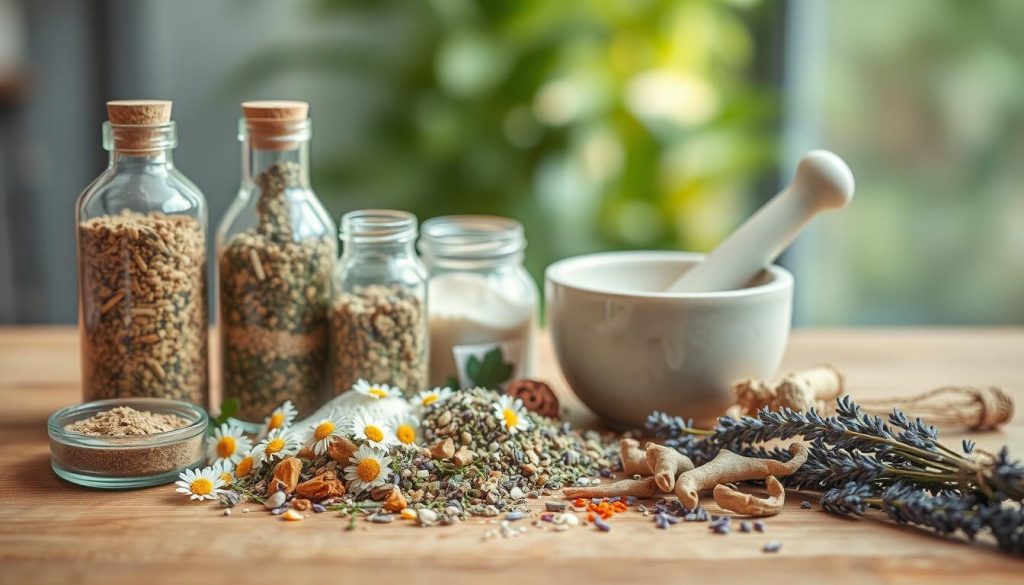
For those seeking a natural approach to stress management, herbal remedies are a viable alternative. Herbal supplements for stress have been used for centuries, offering a holistic method to alleviate anxiety and promote relaxation.
Adaptogenic Herbs
Adaptogenic herbs help the body adapt to stress, promoting balance and resilience. These herbs work by supporting the adrenal glands and enhancing the body’s response to stress.
Ashwagandha
Ashwagandha is a powerful adaptogen known for reducing cortisol levels and anxiety. It’s often referred to as “Indian ginseng” due to its rejuvenating properties.
Holy Basil (Tulsi)
Holy Basil, or Tulsi, is revered for its ability to reduce stress and boost the immune system. It’s considered a sacred herb in many cultures.
Rhodiola
Rhodiola is an adaptogen that helps combat fatigue and improve mental performance under stress. It’s particularly useful for enhancing mood and reducing burnout.
Calming Herbs
Calming herbs are used to soothe the mind and body, providing relief from anxiety and promoting relaxation.
Lavender
Lavender is well-known for its calming effects, often used in aromatherapy to promote relaxation and improve sleep quality.
Chamomile
Chamomile is a gentle herb used to calm the nerves and soothe digestive issues related to stress.
Lemon Balm
Lemon Balm is a member of the mint family and is used to reduce stress and improve mood. It’s often combined with other herbs for enhanced effects.
Nervine Herbs
Nervine herbs support the nervous system, helping to alleviate anxiety and nervous tension.
Passionflower
Passionflower is used to treat anxiety and insomnia, providing a calming effect on the nervous system.
Valerian Root
Valerian Root is a powerful nervine herb that promotes deep relaxation and improves sleep quality.
Skullcap
Skullcap is known for its ability to calm the nervous system and reduce anxiety, making it a valuable herb for stress relief.
How to Prepare Herbal Remedies at Home
With a few basic ingredients and some simple techniques, you can create effective herbal remedies in the comfort of your own home. Herbal stress management techniques can be easily incorporated into your daily routine, providing a natural approach to stress relief.
Step 1: Creating Herbal Teas and Infusions
Herbal teas and infusions are a great way to start your herbal remedy journey. To make a tea, simply steep 1-2 teaspoons of dried herbs in boiling water for 5-10 minutes. Strain and enjoy. Some popular herbs for stress relief include chamomile, lavender, and peppermint.
Step 2: Making Tinctures and Extracts
Tinctures and extracts are concentrated forms of herbal remedies that can be used to support stress relief. To make a tincture, combine 1 part dried herbs with 2 parts vodka or glycerin in a jar. Store in a cool, dark place for 2-4 weeks, shaking daily, before straining and bottling.
Step 3: Using Essential Oils and Aromatherapy
Essential oils can be used in aromatherapy to promote relaxation and reduce stress. Some popular essential oils for stress relief include lavender, bergamot, and frankincense. Use a diffuser or mix with a carrier oil for topical application.
| Herb | Form | Use |
|---|---|---|
| Chamomile | Tea, Tincture | Promotes relaxation |
| Lavender | Essential Oil, Tea | Reduces anxiety |
| Peppermint | Tea | Boosts energy |
By incorporating these natural stress relief remedies into your daily routine, you can take a proactive approach to managing stress and promoting overall wellbeing.
Creating an Effective Stress Relief Routine
Creating a stress relief routine that works for you involves selecting the right herbs for different times of the day. By incorporating stress relief herbs into your daily schedule, you can better manage stress and improve overall well-being.
Morning Herbs for Energy Balance
Starting your day with the right herbs can set a positive tone. Herbs like ginseng and ashwagandha are known for their adaptogenic properties, helping to balance energy levels. Incorporating these into your morning routine can enhance your resilience to stress.
Daytime Stress Management
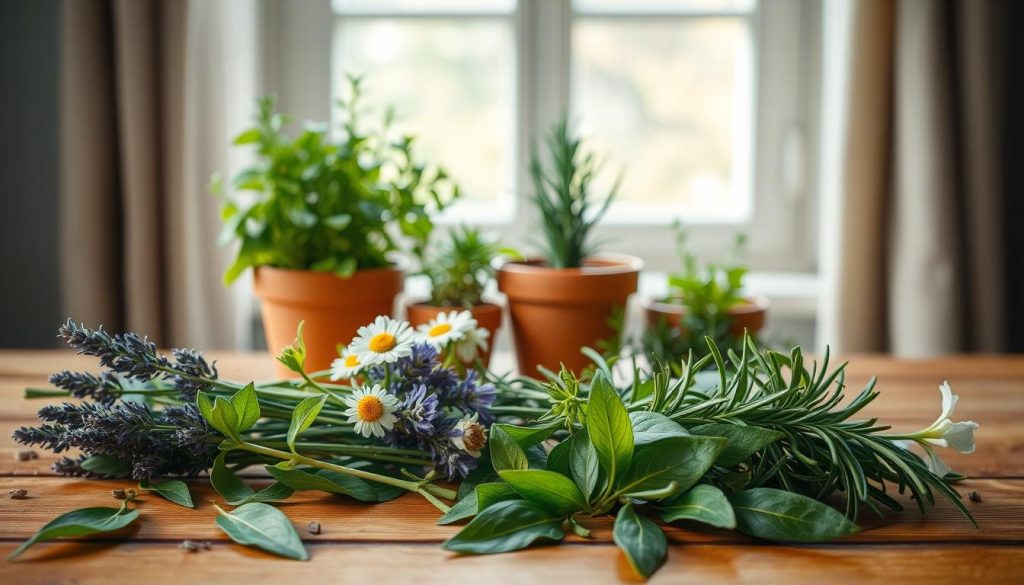
During the day, stress can manifest in various forms. Using relaxation herbs like chamomile and lavender in teas or as tinctures can provide calming effects. These herbs help in reducing anxiety and promoting a sense of calm.
Evening Relaxation Protocol
As the day comes to a close, an evening relaxation protocol can signal the body that it’s time to unwind. Herbs such as valerian root and passionflower are effective in preparing the body for restful sleep. Incorporating these into a bedtime routine can significantly improve sleep quality.
As noted by health experts, “A consistent routine that includes herbal remedies can lead to better stress management and overall health.” Establishing such a routine is a proactive step towards a healthier lifestyle.
Combining Herbs with Other Natural Stress Relief Techniques
Combining herbs with holistic stress relief options can lead to more effective stress management. By integrating herbal remedies with other natural techniques, individuals can create a comprehensive stress relief plan that addresses both physical and mental well-being.
Meditation and Herbal Support
Meditation is a powerful tool for reducing stress, and when combined with herbal support, it can be even more effective. Herbs like ashwagandha and lavender can enhance the benefits of meditation by promoting relaxation and reducing anxiety.
Exercise and Adaptogenic Herbs
Exercise is another crucial component of stress management, and adaptogenic herbs can support physical activity by improving endurance and reducing fatigue. Herbs like rhodiola and ginger can help the body adapt to physical stress, making exercise more manageable and enjoyable.
Sleep Hygiene and Calming Herbs
Good sleep hygiene is essential for managing stress, and calming herbs can play a significant role in improving sleep quality. Herbs like chamomile and valerian root can help individuals fall asleep faster and sleep more soundly, leading to better overall stress management.
| Technique | Herbal Support | Benefits |
|---|---|---|
| Meditation | Ashwagandha, Lavender | Enhanced relaxation, reduced anxiety |
| Exercise | Rhodiola, Ginger | Improved endurance, reduced fatigue |
| Sleep Hygiene | Chamomile, Valerian Root | Improved sleep quality, faster sleep onset |
Safety Precautions and Potential Interactions
The use of herbal remedies for stress relief can be highly effective, but understanding their potential risks is essential. While these natural solutions can offer significant benefits, they can also interact with other medications or have side effects in certain individuals.
When to Consult a Healthcare Provider
It’s crucial to consult with a healthcare provider before starting any herbal remedy, especially if you have pre-existing health conditions, are pregnant, or are taking prescription medications. Certain calming herbs for anxiety, such as valerian or kava, may not be suitable for everyone.
Herb-Medication Interactions
Some herbal remedies can interact with medications, either enhancing their effects or causing adverse reactions. For example, St. John’s Wort can interact with a wide range of medications, including antidepressants and blood thinners. Being aware of these potential interactions is key to safe usage.
Proper Dosage Guidelines
Following proper dosage guidelines is vital when using herbal stress management techniques. The appropriate dose can vary significantly depending on the herb, individual health status, and the specific preparation method. Always follow the recommended dosages and start with low doses to assess tolerance.
By being informed about these safety precautions and potential interactions, you can maximize the benefits of herbal remedies while minimizing risks.
Conclusion: Creating Your Personalized Herbal Stress Relief Plan
Embracing natural stress relief remedies can be a game-changer for managing stress. By incorporating herbal remedies for stress relief into your daily routine, you can promote overall well-being and resilience.
To start, identify the herbs that work best for you. Consider the adaptogenic, calming, and nervine herbs discussed earlier. Experiment with different preparations, such as teas, tinctures, and essential oils, to find what brings you the most relief.
As you develop your personalized plan, remember to combine herbal remedies with other natural stress relief techniques, like meditation, exercise, and proper sleep hygiene. This holistic approach will help you achieve a balanced and healthy lifestyle.
By taking control of your stress management, you can improve your mental and physical health. Begin your journey to a more balanced life by exploring the world of herbal remedies for stress relief.
FAQ
What are some effective herbal remedies for stress relief?
Some effective herbal remedies for stress relief include adaptogenic herbs like Ashwagandha, Holy Basil, and Rhodiola, calming herbs like Lavender, Chamomile, and Lemon Balm, and nervine herbs like Passionflower, Valerian Root, and Skullcap.
How do I prepare herbal teas and infusions at home?
To prepare herbal teas and infusions, simply steep the desired amount of dried herbs in boiling water, let it infuse for a few minutes, and then strain and drink. You can adjust the amount of herbs and steeping time to suit your taste preferences.
Can I combine herbal remedies with other natural stress relief techniques?
Yes, combining herbal remedies with other natural stress relief techniques like meditation, exercise, and proper sleep hygiene can enhance their effectiveness. For example, using adaptogenic herbs during exercise or calming herbs before bed can be beneficial.
Are there any safety precautions I should take when using herbal remedies?
Yes, it’s essential to consult a healthcare provider before using herbal remedies, especially if you’re taking medications or have underlying health conditions. You should also follow proper dosage guidelines and be aware of potential herb-medication interactions.
How can I create a stress relief routine using herbal remedies?
To create a stress relief routine, start by identifying your stress patterns and then choose herbs that can help at different times of the day. For example, you can use energizing herbs like Ginseng in the morning, calming herbs like Chamomile in the evening, and adaptogenic herbs like Ashwagandha throughout the day.
What are some relaxation herbs that can help with anxiety?
Some relaxation herbs that can help with anxiety include Lavender, Chamomile, Lemon Balm, Passionflower, and Valerian Root. These herbs can be consumed as teas, tinctures, or supplements, or used in aromatherapy.
Can herbal supplements help with stress management?
Yes, herbal supplements like Ashwagandha, Rhodiola, and Ginseng can help with stress management by adapting to the body’s needs and promoting balance. However, it’s crucial to choose high-quality supplements and follow proper dosage guidelines.