
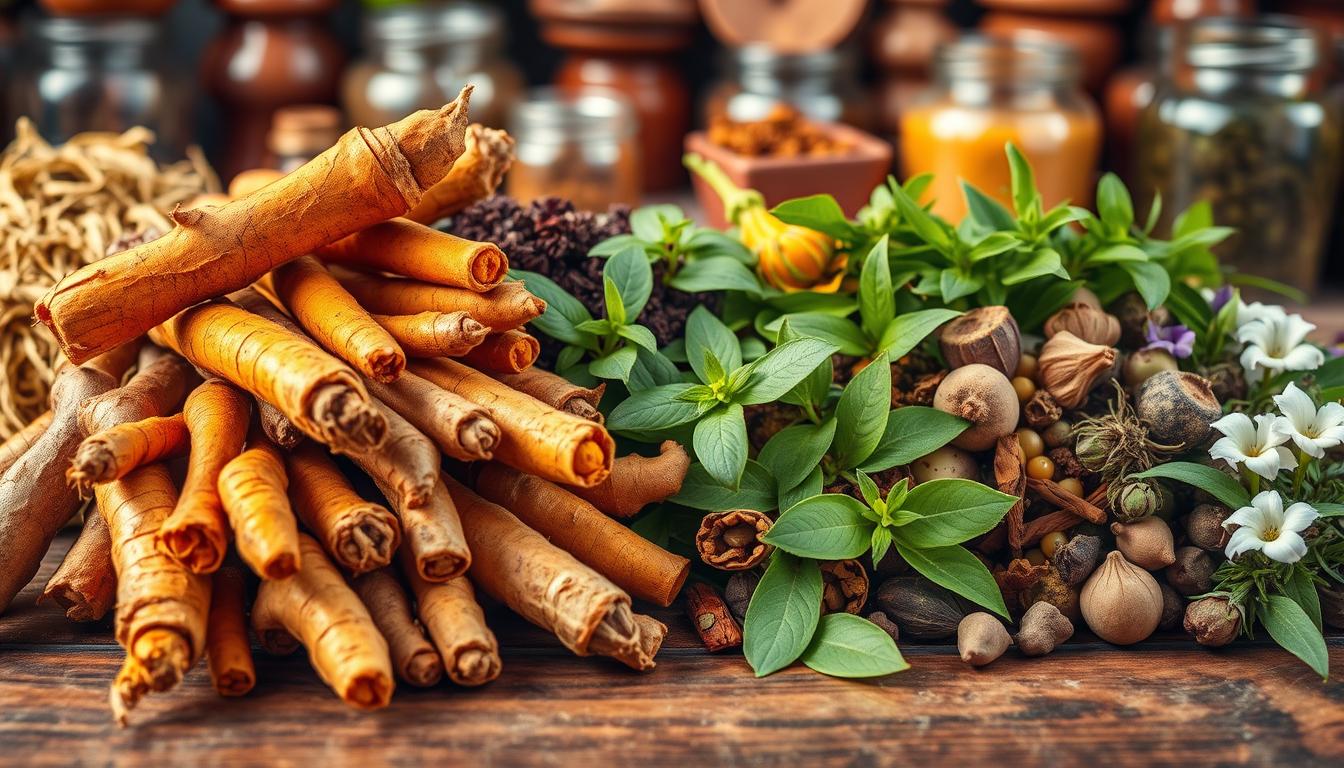
Are you feeling sluggish, tired, or overwhelmed by the demands of modern life? In today’s fast-paced world, our bodies are constantly exposed to toxins from our environment, diet, and lifestyle. Ayurvedic herbs have been used for centuries to promote overall health and well-being, offering a gentle yet effective way to cleanse the body.
This ancient practice focuses on restoring balance to the body, rather than just eliminating toxins. By incorporating Ayurvedic cleanse principles into your daily routine, you can experience a range of benefits, from improved energy levels to enhanced mental clarity.
Key Takeaways
- Understand the concept of Ayurvedic detoxification and its benefits.
- Learn about the most effective herbal detox remedies.
- Discover how to incorporate Ayurvedic herbs into your daily routine for a natural cleanse.
- Explore the connection between Ayurvedic cleanse and overall well-being.
- Find out how to maintain a healthy balance with herbal detox remedies.
Understanding the Principles of Ayurvedic Detoxification
The principles of Ayurvedic detoxification offer a holistic approach to cleansing the body and promoting overall well-being. This ancient practice is rooted in a deep understanding of the human body and its intricate balance.
The Concept of Ama in Ayurveda
In Ayurveda, Ama refers to undigested food or toxins that accumulate in the body. “Ama is considered a major contributor to various health issues, as it clogs the body’s channels and disrupts normal functioning,” says Dr. Vasant Lad, a renowned Ayurvedic practitioner. The presence of Ama can lead to a range of problems, from digestive issues to more complex health conditions.
The Three Doshas and Their Role in Detoxification
The three Doshas – Vata, Pitta, and Kapha – play a crucial role in Ayurvedic detoxification. Each individual’s unique constitution is determined by the balance of these Doshas, which influences their detox needs. For instance, a person with a predominantly Pitta constitution may require different detox approaches compared to someone with a Kapha dominance.
Why Regular Cleansing Matters in Ayurvedic Practice
Regular cleansing is essential in Ayurvedic practice as it helps maintain the body’s natural balance and prevents the accumulation of toxins. As
“The body is a temple, and cleansing is a way to purify it.”
Regular detoxification can enhance overall health, improve digestion, and boost energy levels.
By understanding the principles of Ayurvedic detoxification, individuals can take the first step towards a healthier, more balanced life.
Natural Detox with Ayurvedic Herbs: An Overview
Ayurvedic herbs have been used for centuries to support the body’s natural detoxification processes, offering a holistic approach to cleansing. This traditional practice focuses on balancing the body, mind, and spirit to achieve overall well-being.
How Ayurvedic Herbs Support Detoxification
Ayurvedic herbs play a crucial role in supporting the body’s detoxification processes by enhancing digestion, boosting immunity, and promoting the elimination of toxins. Herbs like Triphala and Neem are renowned for their cleansing properties.
The Difference Between Ayurvedic and Modern Detox Methods
Unlike modern detox methods that often involve harsh diets or invasive procedures, Ayurvedic detoxification is a gentle, holistic approach that considers an individual’s unique constitution and health status. This personalized method ensures a more effective and sustainable cleansing process.
Identifying Your Detox Needs Based on Dosha Type
In Ayurveda, understanding one’s Dosha type is crucial for tailoring a detox program that meets individual needs. The table below illustrates how different Dosha types can approach detoxification:
| Dosha Type | Detox Focus | Recommended Herbs |
|---|---|---|
| Vata | Gentle cleansing, nourishment | Ginger, Ashwagandha |
| Pitta | Cooling, anti-inflammatory | Turmeric, Cilantro |
| Kapha | Stimulating digestion, reducing congestion | Black Pepper, Echinacea |
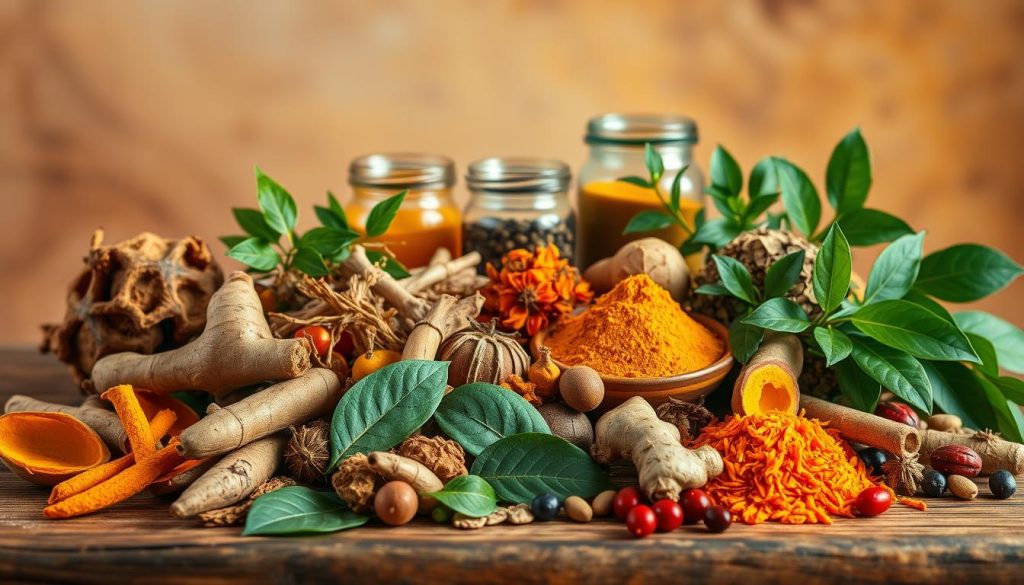
By understanding your Dosha type and incorporating the right Ayurvedic herbs, you can create a personalized holistic detox program that supports your overall health and well-being.
Essential Ayurvedic Herbs for Effective Cleansing
Ayurvedic herbs play a crucial role in effective cleansing, offering a natural approach to detoxification. These herbs have been used for centuries to support the body’s natural cleansing processes, promoting overall health and well-being.
Triphala: The Three-Fruit Detoxifier
Triphala is a blend of three fruits: Amalaki, Haritaki, and Bibhitaki. It is renowned for its gentle yet effective detoxifying properties, supporting digestion and enhancing the elimination of toxins from the body. As a key component of herbal detox remedies, Triphala helps balance the three doshas, promoting overall health.
Neem: Nature’s Purifier
Neem is known for its purifying properties, often used to cleanse the blood and support the immune system. It is a powerful herbal detox supplement that helps remove toxins and promote healthy skin.
Turmeric: The Golden Detox Spice
Turmeric contains curcumin, a compound with potent anti-inflammatory and antioxidant properties. It supports liver health and enhances the body’s natural detoxification processes, making it a valuable addition to any ayurvedic cleanse program.
Ginger and Its Digestive Cleansing Properties
Ginger is widely recognized for its digestive benefits, helping to stimulate digestion and reduce inflammation in the gut. It is often used in herbal detox remedies to support the digestive system’s natural cleansing processes.
Ashwagandha and Holy Basil for Stress-Related Toxins
Ashwagandha and Holy Basil are adaptogenic herbs that help the body manage stress and reduce the accumulation of stress-related toxins. They are valuable components of a comprehensive ayurvedic cleanse, promoting emotional balance and well-being.
Incorporating these Ayurvedic herbs into your detox routine can provide a gentle yet effective cleanse, supporting overall health and well-being. By understanding the unique properties of each herb, you can create a personalized detox program that meets your individual needs.
How to Prepare Your Body for an Ayurvedic Cleanse
Preparing your body for an Ayurvedic cleanse is a crucial step towards achieving a successful holistic detox program. This preparation involves several key aspects that help ensure a smooth and effective cleansing process.
Pre-Cleanse Diet Modifications
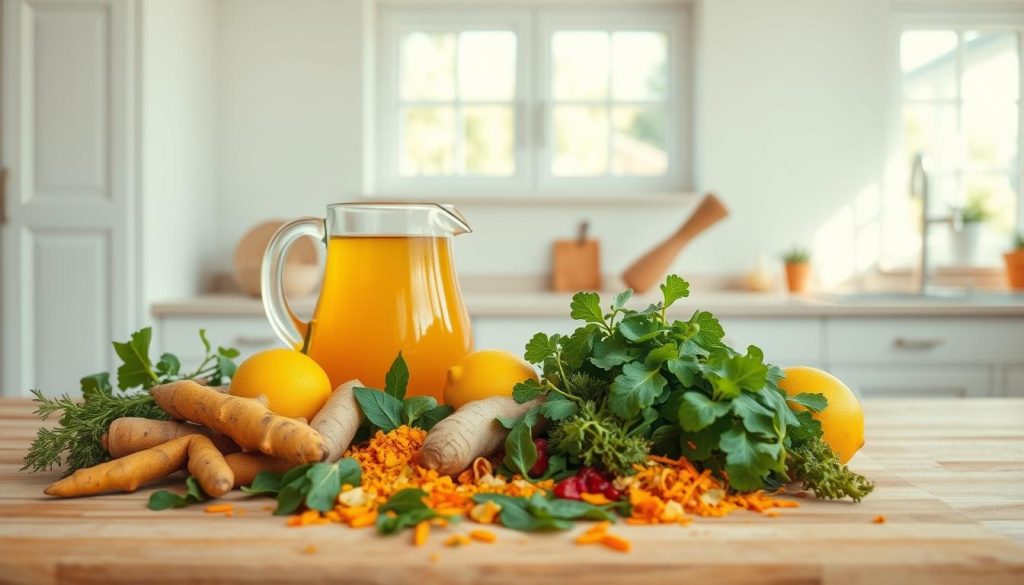
Modifying your diet before starting an Ayurvedic cleanse is vital. Begin by gradually reducing or eliminating processed foods, sugars, and heavy meals. Incorporate more raw fruits, vegetables, and whole grains into your diet to ease your digestive system into the cleanse. This ayurvedic detox diet adjustment helps minimize potential detox symptoms.
Mental and Emotional Preparation
Mental and emotional preparation is just as important as dietary changes. Start by setting intentions for your cleanse and practicing mindfulness or meditation to calm your mind. This preparation helps manage stress and emotional fluctuations during the cleanse, supporting a more effective natural detox with ayurvedic herbs.
Setting Realistic Detox Goals
Setting realistic goals for your Ayurvedic cleanse is crucial for a positive experience. Understand that detoxing is a process and not a quick fix. Define what you hope to achieve through your cleanse, whether it’s improved digestion, reduced stress, or increased energy. Having clear, achievable goals helps you stay committed to your holistic detox program.
Step-by-Step Guide to a 7-Day Ayurvedic Detox Program
Embarking on a 7-day Ayurvedic detox program can be a transformative experience for your overall well-being. This comprehensive guide will walk you through the gentle introduction to cleansing, the deep cleansing phase, and the rejuvenation and transition phase.
Days 1-2: Gentle Introduction to Cleansing
The initial phase focuses on preparing your body for the detoxification process. Start with a gentle morning routine that includes herbal teas like Triphala or Ginger tea to stimulate digestion.
Morning Routine with Herbal Teas
Begin your day with a warm cup of herbal tea. For example, Triphala tea can help in balancing the three doshas and gently cleansing your digestive system.
Dietary Guidelines and Meal Plans
Follow a diet rich in fruits, vegetables, and whole grains. Avoid processed foods and sugars. A sample meal plan could include oatmeal with fruits for breakfast, vegetable soup for lunch, and quinoa with steamed vegetables for dinner.
Creating and Taking Herbal Supplements
Consider incorporating herbal supplements like Neem or Turmeric capsules after consulting with a healthcare professional. These herbs are known for their detoxifying properties.
Days 3-5: Deep Cleansing Phase
As your body adjusts, you can intensify the detox process.
Intensified Herbal Regimen
Increase the dosage of your herbal supplements or introduce new ones like Ashwagandha to enhance stress relief and detoxification.
Detoxifying Practices and Techniques
Incorporate practices like Abhyanga (self-massage with herbal oils) and Pranayama (breathing techniques) to enhance the detox process.
Days 6-7: Rejuvenation and Transition
The final phase is crucial for rejuvenating your body and transitioning back to your normal diet.
Reintroducing Foods Safely
Gradually reintroduce foods, starting with light meals and gradually moving to more substantial foods. Monitor your body’s response.
Maintenance Herbs and Dosages
Continue with maintenance herbs like Holy Basil to sustain the benefits of the detox program.
| Day | Herbal Supplement | Dietary Focus |
|---|---|---|
| 1-2 | Triphala, Ginger | Fruits, Vegetables |
| 3-5 | Neem, Turmeric, Ashwagandha | Whole Grains, Lean Proteins |
| 6-7 | Holy Basil | Gradual Reintroduction |
Supportive Practices to Enhance Your Herbal Detox
A holistic detox program goes beyond just herbs; it includes practices that enhance the cleansing process. To maximize the benefits of your ayurvedic body cleanse, incorporating supportive practices into your daily routine is crucial.
Abhyanga: Self-Massage with Herbal Oils
Abhyanga, or self-massage with herbal oils, is a nourishing practice that can enhance your detox experience. By massaging warm oil into your skin, you can stimulate lymphatic drainage and promote the release of toxins. Use oils like sesame or coconut oil, which have their own detoxifying properties.

Yoga Poses for Detoxification
Certain yoga poses can aid in detoxification by stimulating the digestive system, improving circulation, and promoting the elimination of toxins. Incorporate poses like twists, forward bends, and inversions into your practice to enhance your natural detox with ayurvedic herbs.
Pranayama Breathing Techniques
Pranayama, or controlled breathing, can help balance your body’s energy and enhance detoxification. Techniques like Kapalabhati (Breath of Fire) and Bhastrika (Bellows Breath) can stimulate your digestive system and promote cleansing.
Hydration Strategies for Optimal Cleansing
Adequate hydration is essential for effective detoxification. Drink plenty of warm water throughout the day to help flush out toxins. You can also incorporate herbal teas like dandelion or peppermint to support your body’s natural cleansing processes.
Safety Considerations and Potential Challenges
When embarking on an Ayurvedic detox journey, it’s crucial to be aware of the potential challenges and safety considerations. While Ayurvedic detoxification can be highly beneficial, it’s not without risks, especially for certain individuals.
Herbs to Avoid During Pregnancy and Medical Conditions
Certain Ayurvedic herbs can be contraindicated during pregnancy or for individuals with specific medical conditions. For instance, herbal detox supplements containing senna or other strong laxatives should be avoided during pregnancy. Similarly, individuals with diabetes or hypertension should consult their healthcare provider before using detoxifying herbs in Ayurveda like Triphala or Guggulu.
| Herb | Potential Risk | Precaution |
|---|---|---|
| Senna | Strong laxative effect | Avoid during pregnancy |
| Guggulu | May interact with blood thinners | Consult doctor if on medication |
Managing Detox Symptoms and Discomfort
Some individuals may experience detox symptoms such as headaches or fatigue during an Ayurvedic detox diet. These symptoms are usually temporary and can be managed by adjusting the intensity of the cleanse or incorporating soothing practices like Abhyanga self-massage.
Adjusting Your Cleanse Based on Individual Response
It’s essential to listen to your body and adjust the detox program according to your individual response. If you experience severe discomfort, it may be necessary to modify the herbal detox supplements or the overall detox plan.
When to Seek Professional Ayurvedic Guidance
If you’re unsure about any aspect of your Ayurvedic detox or experience concerning symptoms, it’s crucial to seek guidance from a qualified Ayurvedic practitioner. They can provide personalized advice and help you navigate any challenges.
Conclusion: Integrating Ayurvedic Detox Principles into Modern Life
Embracing a natural detox with ayurvedic herbs can be a transformative experience, promoting overall well-being and rejuvenation. As we’ve explored, an ayurvedic cleanse is not just about eliminating toxins; it’s a holistic approach to health that considers an individual’s unique constitution and balance.
By incorporating the principles of an ayurvedic cleanse into daily life, individuals can experience profound benefits, from improved digestion to enhanced mental clarity. A holistic detox program encourages a deeper connection with one’s body and the natural world, fostering a more balanced and harmonious lifestyle.
As you continue on your wellness journey, consider integrating the insights and practices from this article into your daily routine. By doing so, you can cultivate a more resilient and vibrant you, better equipped to navigate the challenges of modern life.
FAQ
What is an Ayurvedic detox, and how does it work?
An Ayurvedic detox is a natural and holistic approach to cleansing the body using Ayurvedic herbs and principles. It works by removing toxins and balancing the body’s energy, promoting overall health and well-being.
What are the benefits of using Ayurvedic herbs for detoxification?
Ayurvedic herbs support the body’s natural detoxification processes, promote balance and harmony, and help to remove toxins and Ama from the body.
How do I identify my detox needs based on my Dosha type?
Understanding your Dosha type is crucial in identifying your detox needs. By knowing your Dosha, you can tailor your detox program to address specific imbalances and promote overall well-being.
What are some essential Ayurvedic herbs for effective cleansing?
Some essential Ayurvedic herbs for effective cleansing include Triphala, Neem, Turmeric, Ginger, Ashwagandha, and Holy Basil. These herbs have unique properties that support the body’s natural detoxification processes.
How do I prepare my body for an Ayurvedic cleanse?
Preparing your body for an Ayurvedic cleanse involves dietary modifications, mental and emotional preparation, and setting realistic detox goals. This helps to ensure a safe and effective detox experience.
What is the role of diet in an Ayurvedic detox program?
Diet plays a crucial role in an Ayurvedic detox program. A balanced and nourishing diet helps to support the body’s natural detoxification processes and promote overall well-being.
Can I do an Ayurvedic detox if I have a medical condition or am pregnant?
If you have a medical condition or are pregnant, it’s essential to consult with a healthcare professional before starting an Ayurvedic detox program. Certain herbs and practices may not be suitable for everyone.
How can I manage detox symptoms and discomfort during an Ayurvedic cleanse?
Managing detox symptoms and discomfort involves adjusting your cleanse based on individual response, staying hydrated, and practicing supportive techniques such as yoga and Pranayama.
What are some supportive practices that can enhance my herbal detox experience?
Supportive practices such as Abhyanga self-massage, yoga poses, Pranayama breathing techniques, and hydration strategies can enhance your herbal detox experience and promote overall well-being.
How can I integrate Ayurvedic detox principles into my modern lifestyle?
Integrating Ayurvedic detox principles into your modern lifestyle involves adopting a holistic approach to health and wellness, incorporating Ayurvedic herbs and practices into your daily routine, and making conscious lifestyle choices that promote balance and harmony.